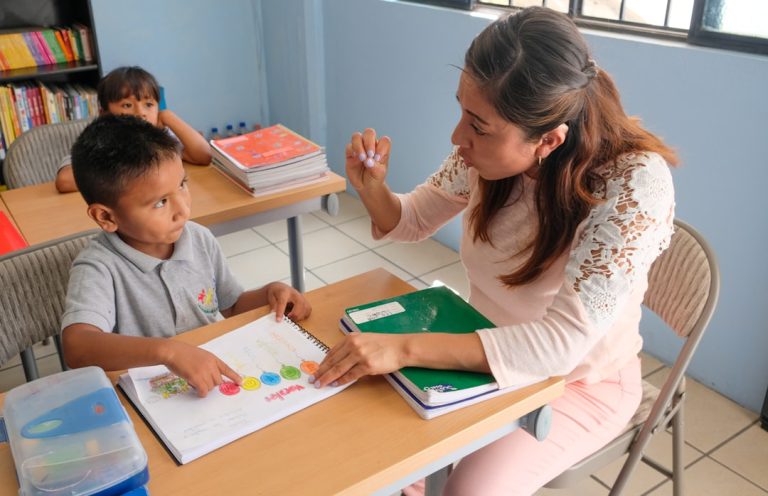

Where donations make the most immediate difference
Donations expand education and skills training most directly when they fill specific gaps that block access or quality: paying for tuition or scholarships, funding teacher salaries or professional development, supplying essential equipment and materials, and covering operational costs for community learning spaces. If you want a quick, practical way to judge an appeal, ask: which of those gaps will this gift close, and how many learners will benefit?
Which donation choices produce long-term gains
Not all gifts scale equally. Here are four donation types that typically create sustainable impact:
- Scholarships and bursaries: Reduce immediate financial barriers so students can complete a course. Best for learners who already demonstrate commitment but lack funds.
- Teacher and trainer development: Workshops, mentoring and certifications improve instruction quality across cohorts—often the highest-leverage use of funds.
- Capital for workshops and classrooms: Tools, lab equipment, and classroom refurbishment enable hands-on skills training that otherwise can’t happen at scale.
- Seed funding for partnerships: Grants that help nonprofits form employer links, apprenticeship programs or micro-entrepreneurship initiatives turn training into jobs.
How to evaluate a nonprofit’s education proposal
When reviewing an appeal, focus on clarity of outcomes and evidence that the organization tracks them. Practical questions to ask:
- Who exactly are the learners (age, education level, location)?
- What will change for them within 6–18 months (certificates earned, job placements, exam pass rates)?
- How does the organization measure results and share findings?
- What portion of the donation goes to program delivery versus administration?
- Is there a sustainability plan—local fundraising, government buy-in, income-generating activities?

Balancing immediate needs with capacity building
Donors often face a trade-off: paying a school’s monthly utilities keeps classes running now, while funding capacity building—like a training-of-trainers program—raises long-term quality. A blended approach is usually best: provide short-term relief tied to a capacity-building milestone. For example, commit to three months of operating support conditioned on the organization delivering a teacher training that increases student contact hours.
Design donations to unlock co-investment
Some donations—especially seed grants and matching funds—attract additional money from governments, foundations or local businesses. If your goal is to expand skills training, prioritize gifts that the nonprofit can present as leverage: matching funds for a new workshop, or a time-limited grant that triggers local authority funding for teacher salaries. These catalytic gifts multiply impact.
Practical choices for different donor types
If you’re an individual donor:
- Choose scholarships when you want a clear beneficiary story and measurable short-term outcomes.
- Fund equipment or classroom refurbishment if a program already demonstrates demand and needs physical capacity.
If you represent a foundation or corporate donor:
- Invest in trainer development and employer partnerships to shape curricula and improve job alignment.
- Offer in-kind contributions—tools, software licenses, or paid internships—that directly bridge training-to-employment.
What to expect after you give
High-quality organizations will acknowledge your gift, report on expenditures, and share outcome data at agreed intervals (often 6–12 months). Reports worth reading include participant-level indicators (number enrolled, certified, or placed in jobs), qualitative learner feedback, and lessons learned about what didn’t work. If you don’t receive this, ask for the monitoring framework used by the program.
Common pitfalls donors should avoid
- Funding recurrent costs indefinitely without a transition plan—short-term operating grants should include steps toward local sustainability.
- Prioritizing flashy infrastructure over ongoing teacher capacity or materials; a new building is useful only if teachers and supplies follow.
- Ignoring local labor market alignment—skills training must map to real employment or self-employment options.
- Overly narrow scholarships that exclude learners who need wraparound support (transport, childcare, career counseling).
Examples of effective funded activities
Concrete examples help decide where to put money:

- Micro-grants that equip a sewing workshop and pay for a trainer for six months, followed by market-linkage support.
- Scholarship packages that include tuition plus a small living stipend and job-placement coaching.
- Teacher professional development that pairs classroom pedagogy coaching with digital resources and follow-up mentoring.
- Employer-funded internships coordinated by a nonprofit, with a small donor grant to subsidize stipends for learners.
Where to learn more and next steps
If you want deeper guidance on specific program types, read our related guides on vocational training, digital skills and entrepreneurship to match your interests with proven program models:
- How Practical Skills Training Can Help Reduce Youth Unemployment
- How Digital Skills Can Open New Opportunities for Young People
- How Entrepreneurship Training Can Help Young People Build Sustainable Futures
- Identify the specific barrier your gift will remove (fees, trainers, tools, operations).
- Confirm measurable short- and medium-term outcomes the organization tracks.
- Prefer gifts that can be leveraged to attract co-funding or employer partnerships.
- Ask for a sustainability or exit plan if funding recurrent costs.
- Request at least one participant-level success indicator and one lesson learned report.
Donations expand education fastest when they combine immediate access (scholarships, materials) with investments in quality (teacher training, employer links). Ask clear questions about beneficiaries, outcomes and sustainability before you give.
Can small donations really help scale training programs?
Yes—small gifts that are pooled for specific needs (tools, stipends) or used as matching funds can unlock larger grants and local co-investment, making them catalytic.
Should I give to scholarships or infrastructure?
Give to what the program lacks most: scholarships if learners can’t attend due to cost; infrastructure if training is constrained by space or tools. Where possible split funds to cover both short-term access and long-term capacity.
How can I ensure my donation leads to jobs?
Support programs that report employer engagement, apprenticeships, or placement services, and fund components like internships and market-linkage activities that directly connect training with employers.
What monitoring information should I request?
Ask for participant counts, completion or certification rates, job placement statistics (if relevant), and a short narrative on lessons learned and next steps.