Immediate answer: why this matters for communities
Supporting vulnerable children creates stronger communities because it interrupts cycles of neglect, illness and poverty that weaken social cohesion and local economies. When children have secure care, access to school, and protection from harm, they grow into healthier, more productive adults who contribute to safety, workforce stability and civic life. That single sentence captures the core causal link most readers are after: investment in children yields measurable community-level returns in wellbeing and resilience.
How support for vulnerable children translates into community strength
There are four practical channels through which child-focused support improves a whole community.
- Protection and social cohesion: Child-protection programs reduce abuse, exploitation and neglect. Fewer crisis cases means lower demand on emergency services, courts and ad-hoc charity responses, and it preserves trust between neighbors and institutions.
- Education and human capital: Keeping kids in school—even through remedial classes, meals or transport subsidies—raises literacy and vocational readiness. That increases local labor skills, helps small businesses find workers, and reduces youth unemployment and its social costs.
- Health and long-term costs: Early nutrition, vaccinations and psychosocial support lower childhood morbidity and improve adult health outcomes. Communities with healthier generations face lower healthcare burdens and higher productivity.
- Family stability and economic inclusion: Programs that support caregivers—cash transfers, parenting education, livelihood support—stabilize households so children thrive. Stable households are more likely to participate in local markets and civic structures.
Evidence-based interventions that actually move the needle
Not every intervention is equally effective. Prioritize approaches with demonstrable impact in comparable settings:
- Community-based case management that combines home visits, referrals and follow-up. Caseworkers who know local families detect risks early and coordinate services.
- Conditional or unconditional cash transfers tied to school attendance and health checks—these are consistently linked to higher enrollment and better nutrition.
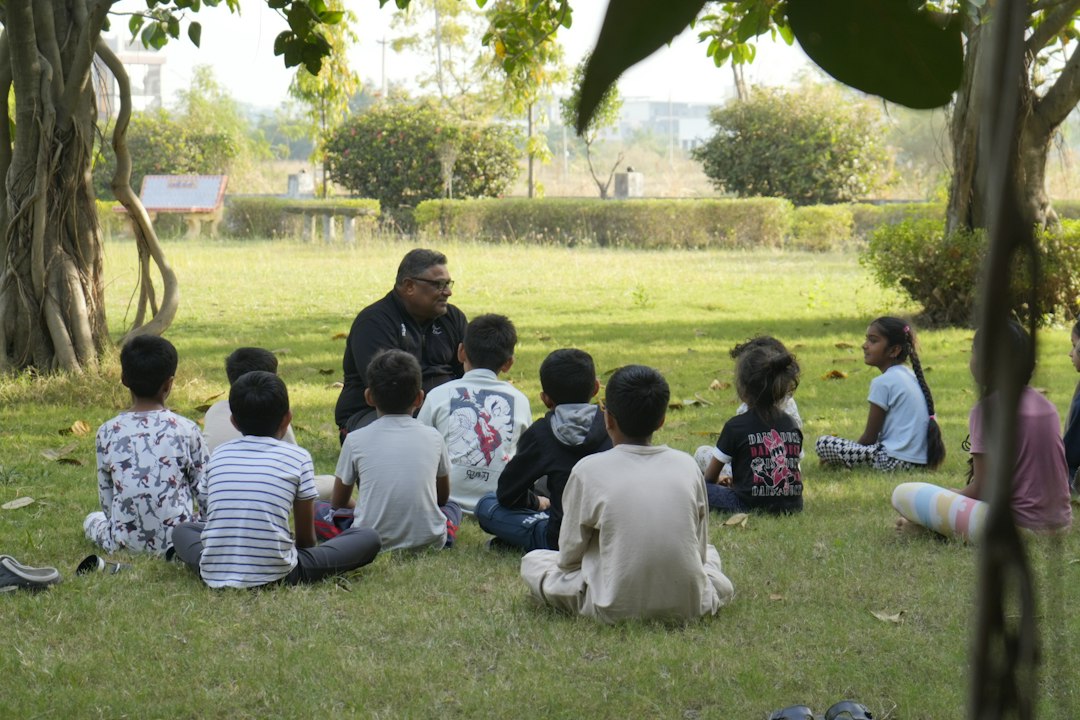
- Child-friendly spaces and afterschool programs that offer tutoring and psychosocial support, which improve retention and reduce risky behaviors among adolescents.
- Parenting programs focused on positive discipline and stimulation for early childhood development; small behavior changes in caregivers yield large cognitive gains for children.
Trade-offs, common exceptions and what to watch out for
Direct investment in children is necessary but not sufficient. A few realistic caveats:
- Short-term aid without systems strengthening can create dependency. Whenever possible, pair direct services with capacity-building for local schools, health clinics and social services.
- Culturally inappropriate programs backfire. Engage local leaders and caregivers before rolling out new interventions; adapt content and delivery to local norms.
- Targeting can miss hidden risk. Relying solely on income measures overlooks children at risk from disability, migration, or abusive caregivers—use mixed screening methods.
- Measurement matters. Programs that lack clear indicators for school attendance, protection referrals or caregiver wellbeing make it impossible to learn and scale what works.
Practical steps for local practitioners and funders
If you are implementing or funding child-focused work, these pragmatic steps increase impact.
- Map existing services and gaps first. Identify which schools, clinics and social workers are already active and where children fall through the cracks.
- Start small with pilot interventions that include outcome indicators (attendance, health check completion, protection referrals). Iterate before scaling.
- Invest in frontline workers. Training, supervision and decent remuneration for teachers, community health workers and caseworkers is more effective than one-off workshops.
- Coordinate across sectors. Education, health, child protection and livelihoods must share data and referral pathways to support whole families.
- Involve adolescents in design. Older children can articulate barriers to staying in school or safety risks and suggest workable solutions.
How communities can sustain gains after donors exit
Long-term resilience comes from predictable local capacity rather than perpetual external funding. Successful sustainability strategies include aligning program elements with local budgets (e.g., basic school meals integrated into municipal budgets), training community volunteers to support initial case management, and building small-scale social enterprises that create revenue for child services. Where possible, create simple governance structures—parent-teacher associations, child protection committees—that can advocate for ongoing municipal resources.
Who benefits beyond children?
Supporting vulnerable children strengthens caregivers, schools, local businesses and civic institutions. Caregivers who receive economic support can re-enter the workforce; schools that keep students engaged maintain funding and teacher morale; local economies grow as healthier, educated youth become productive workers.
- Have you mapped existing local services and data?
- Do you include measurable child-focused outcomes (attendance, protection referrals, health visits)?
- Are caregivers and adolescents engaged in design and feedback?
- Is there a plan to transition responsibilities to local actors over 2–5 years?
- Have you budgeted for frontline worker training and supervision?
Supporting vulnerable children is a high-return community investment when interventions are integrated, measured, and locally owned. Focus on protection, education and caregiver stability, and build systems that outlast short funding cycles.
What are the first steps for a small community with limited resources?
Start by mapping needs and existing services, pilot a low-cost intervention (e.g., school meal plus attendance tracking), and recruit trusted community volunteers for outreach and monitoring.
How do you measure success when supporting children?
Use clear indicators: school enrollment and attendance, completed health checks/immunizations, number of protection referrals, and caregiver wellbeing measures. Track these quarterly.
Can cash transfers replace other services?
Cash transfers are powerful for immediate economic relief and improving attendance but are most effective combined with services like counseling, schooling support and protection systems.
How can local governments be encouraged to fund child services?
Present costed pilots with outcome data, mobilize parent and community advocacy, and align program components with existing budget lines (education, health, social welfare).
What role do adolescents have in designing programs?
Adolescents provide insight on barriers to school and safety; include them in advisory groups and program testing to ensure relevance and uptake.