Picture a weekday morning at a kitchen table: a mother helps her seven‑year‑old with spelling while an older sibling scrolls job listings on a smartphone. If that home had reliable access to quality schooling — from preschool through vocational options — the table conversation would look different: fewer emergencies, more plans, and clearer pathways to steady income. That immediate scene shows the answer plainly: access to education changes family routines, finances and future choices by improving skills, health and social capital.
Access to education is the single most direct lever communities have to reduce poverty, improve health and strengthen civic life. Practically, it means children and adults can enroll in appropriate, safe learning opportunities; those programs are well‑resourced; and barriers such as cost, gender norms, distance and language are addressed.
How access to education benefits families and communities
- Short‑term household stability: Enrollment reduces childcare burdens on older siblings and enables parents to work or pursue income‑generating activities.
- Improved health and nutrition: Schools often deliver immunizations, nutrition programs and health education that lower child morbidity. Educated parents—especially mothers—are likelier to seek preventative care.
- Economic mobility: Basic literacy and numeracy raise employability; vocational and secondary education expand career options and small‑business success.
- Social cohesion and civic participation: Schools build shared norms and local leadership, lowering crime and increasing participation in community projects.
- Intergenerational impact: Children of educated parents have higher school retention and better life outcomes, creating a virtuous cycle.
Which investments produce the biggest returns?
Not all educational access is equal. Three high‑impact priorities consistently deliver measurable family and community benefits:
- Early childhood learning: Two to five years before primary school, quality early learning boosts cognitive and socio‑emotional development, raising later attainment and lifetime earnings.
- Girls’ education and gender‑sensitive supports: Scholarships, safe transport, menstrual‑health facilities and community outreach reduce dropouts and delay childbearing, with broad public‑health and economic benefits.
- Pathways to employment: Vocational training, apprenticeships and career counseling link learning to local labor markets and entrepreneurship, so education translates directly into income.
How to remove common barriers in your community
Count the barriers first: cost, distance, language, safety, and relevance. Targeted solutions work faster than broad reforms.
- Reduce cost and opportunity losses: Offer conditional cash transfers, school meals or staggered schedules so children aren’t pulled from school to work.
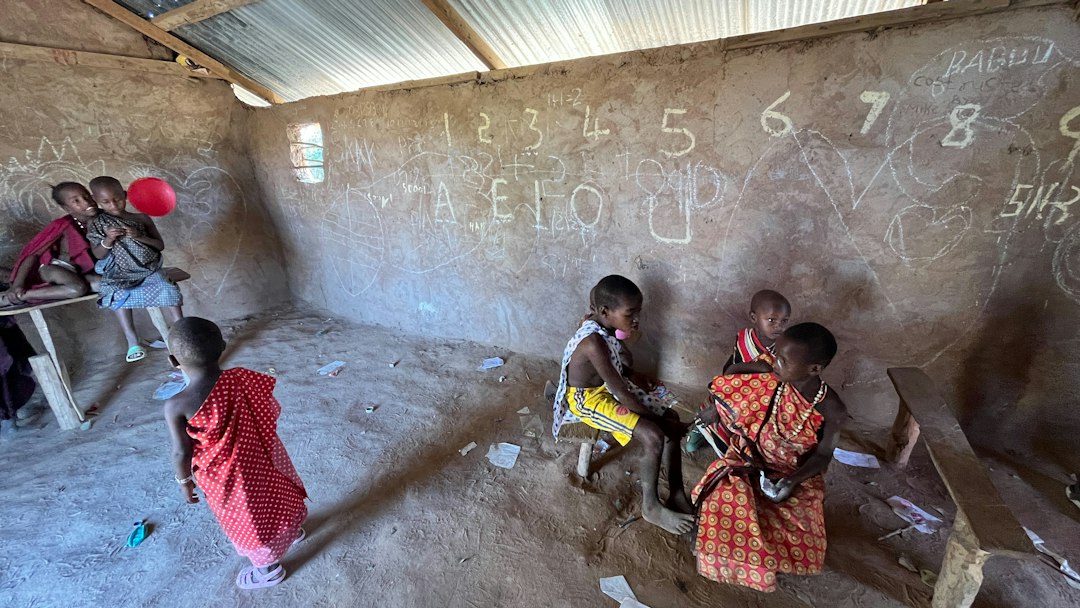
- Bring learning closer: Support satellite classrooms, community teachers, or transport cooperatives so distance no longer blocks attendance.
- Make content relevant: Integrate local languages, livelihood skills and health education so families see practical value in staying enrolled.
- Create safe, inclusive spaces: Train teachers on gender‑sensitive practices, enforce anti‑bullying policies and provide separate sanitation facilities for girls and boys.
Measuring success: what to track at family and community level
Simple, regular indicators let leaders know whether access is improving lives:
- Enrollment and attendance rates disaggregated by age and gender
- Retention/completion rates at primary and secondary levels
- Household income changes and female labor participation
- Health indicators linked to schools (immunization, nutrition status)
- Local business starts or apprenticeship placements tied to vocational programs
Practical steps for different actors

For community leaders
- Host listening sessions with parents to identify the single biggest reason children miss school and pilot a low‑cost fix (transport, meal, or schedule change).
- Partner with local businesses to create apprenticeship slots that start during upper‑secondary years.
For teachers and school managers
- Track absences and call families within one week of unexplained absence; early outreach prevents dropouts.
- Adapt curricula with practical modules—financial literacy, health, basic digital skills—that parents can recognize as useful.
For donors and funders
- Fund programs with measurable household outcomes (not only school inputs). Prioritize scalable pilots that explicitly measure income, health or female empowerment.
- Support blended models: community classrooms plus mobile outreach or radio schooling where infrastructure is limited.
When access alone isn’t enough
Access must be paired with quality and relevance. Enrolling children into overcrowded or abusive classrooms can worsen outcomes. If learning outcomes are stagnant despite rising enrollment, shift attention toward teacher training, manageable class sizes, and curriculum relevance.
- Have local families named the top barrier to attendance?
- Is there a plan to measure household-level outcomes, not only enrollment?
- Does the program include gender‑sensitive safety measures and sanitation?
- Are local employers engaged to absorb vocational graduates?
- Is early childhood learning included if children under 6 are part of the target group?
Start with the nearest barrier families identify, combine access with quality and job pathways, and measure both education and household outcomes. That focused approach turns school seats into healthier, more prosperous families and stronger communities.
How soon do families see benefits from increased access to education?
Some benefits appear quickly—reduced childcare burden, access to school meals, and improved health checks—while economic gains typically emerge over several years as learners enter the labor market.
Which age group should programs prioritize?
Early childhood and girls’ retention often yield the largest long‑term returns, but context matters: in high‑unemployment areas, vocational pathways for older youth can have immediate impact.
Can adult education change family outcomes?
Yes. Adult literacy and digital skills improve parents’ earning capacity and their ability to support children’s schooling, multiplying benefits across households.
How can small communities fund education access projects?
Start with low‑cost interventions—community volunteer teachers, shared transport, school gardens—and combine local fundraising with targeted grants or partnerships with businesses.
What role do schools play in community health?
Schools are hubs for vaccinations, nutrition, and health education; integrating basic health services with schooling improves attendance and reduces child illness.